Riverside highlight
Birthplace of California’s commercial navel orange industry
In 1874, Brazilian navel orange seedlings arrived in Riverside and transformed it into the birthplace of California's commercial citrus industry.
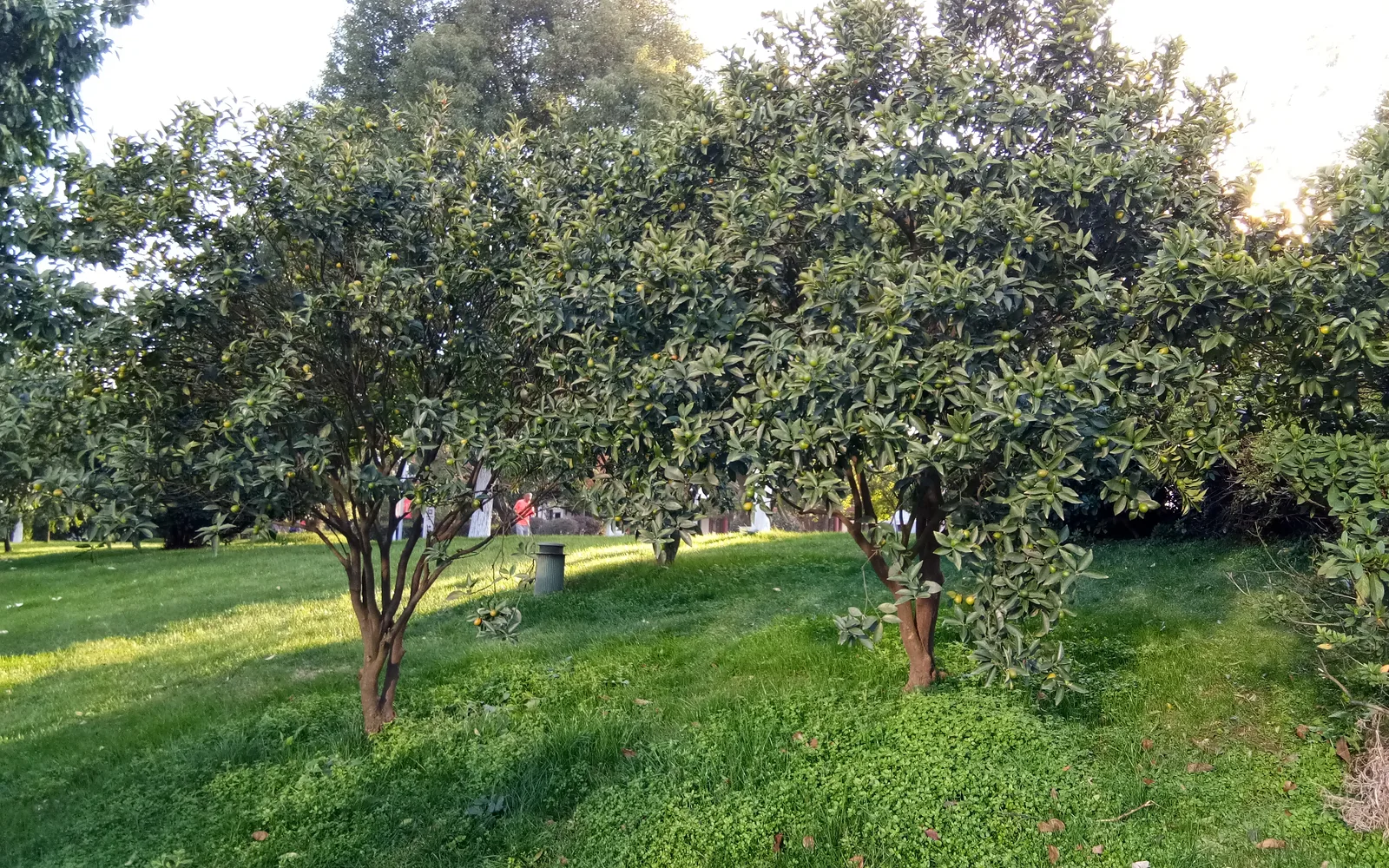
Eliza Tibbets received Brazilian navel orange trees in 1874, and their transplanting to Riverside soil sparked a agricultural revolution. The region's climate and irrigation proved ideal for the variety, and commercial plantings expanded rapidly through the 1870s and 1880s, stretching across the region from Pasadena to Redlands. By 1895, Riverside had become the richest city per capita in the United States, with the citrus industry driving unprecedented prosperity and attracting settlers who built homes and businesses around the thriving groves.
The University of California recognized the industry's importance and established the Citrus Experiment Station in Riverside on February 14, 1907. Located on Mount Rubidoux and later expanded to a 475-acre site at Box Springs, the station's research became essential to the industry's survival through disease, frost, and pest challenges. Scientists at the facility developed breakthrough discoveries in genetics and pest management that preserved and expanded Southern California's citrus belt into a multi-billion-dollar enterprise.
Riverside families today live in a city built on the foundation of that agricultural heritage, where many still work in agriculture, trade, and the industries that grew from it. Planning ahead for those you depend on, through life insurance, ensures that the roots your family has established remain secure through whatever comes next.